Hosting a Traditional Sit-Down Dinner for a Large Event: What to Serve & Why It Matters
There’s something timeless and elegant about a traditional sit-down dinner. For weddings, galas, milestone celebrations, and corporate events, a plated dinner creates structure, flow, and a refined guest experience, especially when hosting a large party.
At Stardust Celebrations, we specialize in orchestrating seamless large-scale events. When planning a traditional seated dinner, the menu plays a major role in both logistics and guest satisfaction. Here’s what to consider when selecting the best options.
1. Keep the Menu Elevated — But Approachable
When serving 150, 300, or even 500 guests, the goal is to offer dishes that feel special while appealing to a broad audience.
Popular Entrée Options for Large Events:
Herb-roasted chicken breast with seasonal vegetables
Filet mignon or braised short ribs
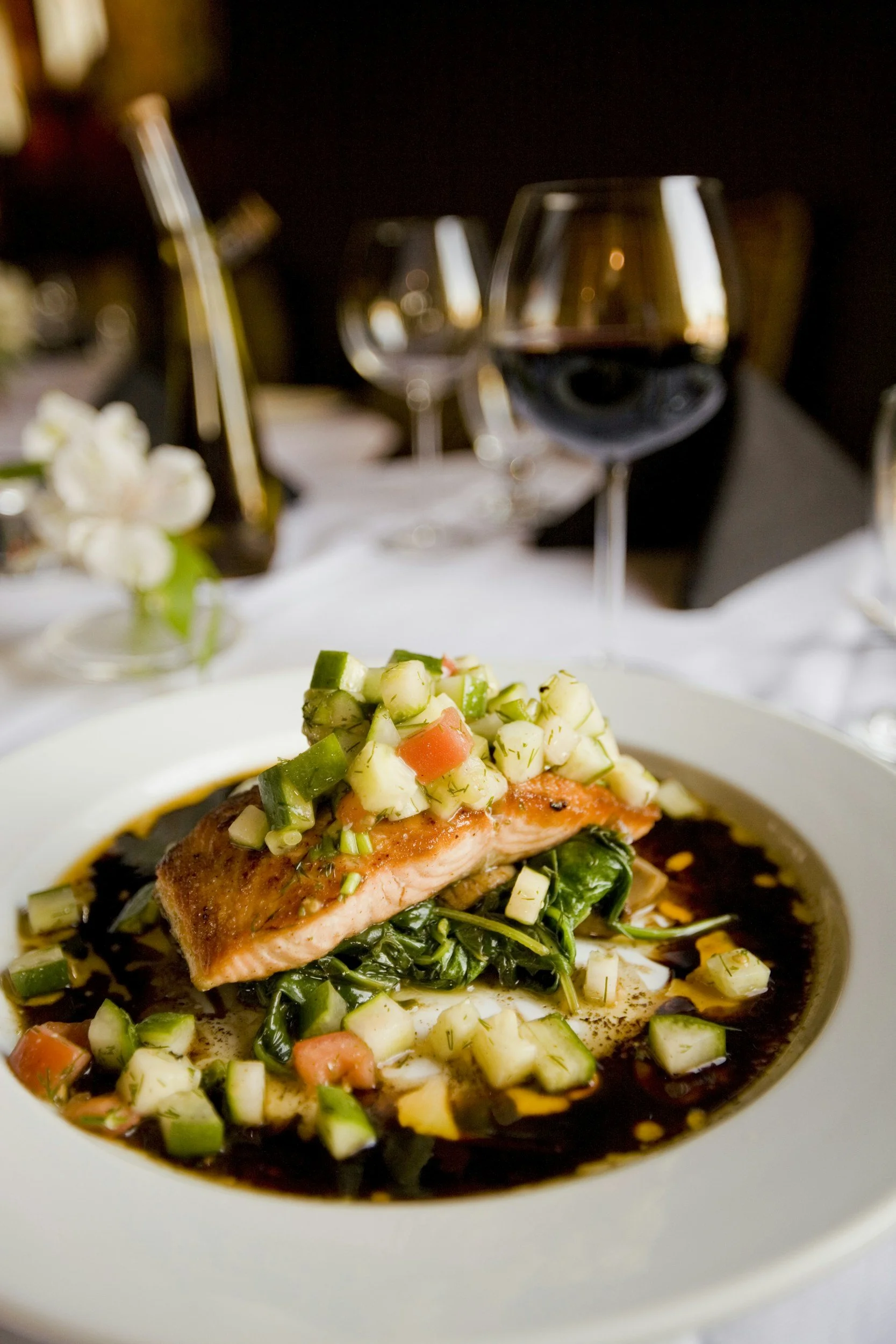
Pan-seared salmon with citrus beurre blanc
Mushroom risotto or vegetable wellington (for vegetarian guests)
These selections are crowd-pleasing, photograph beautifully, and hold well during service.
2. Offer a Dual-Entrée Option (When Possible)
For larger weddings and formal events, offering two entrée choices, often a beef and a fish or chicken option, provides flexibility without overwhelming the kitchen.
Advance meal selection through RSVP cards or digital responses helps streamline service and avoid confusion during plating.
3. Consider Seasonal Ingredients
Seasonality matters, especially in Texas. Light citrus and fresh herbs shine in spring and summer, while richer flavors like roasted root vegetables and warm sauces work beautifully in fall and winter.
Seasonal menus not only taste better, but they’re also often more cost-effective and visually cohesive.
4. Don’t Forget Dietary Needs
With large guest counts, dietary restrictions are almost guaranteed. A well-planned event includes:
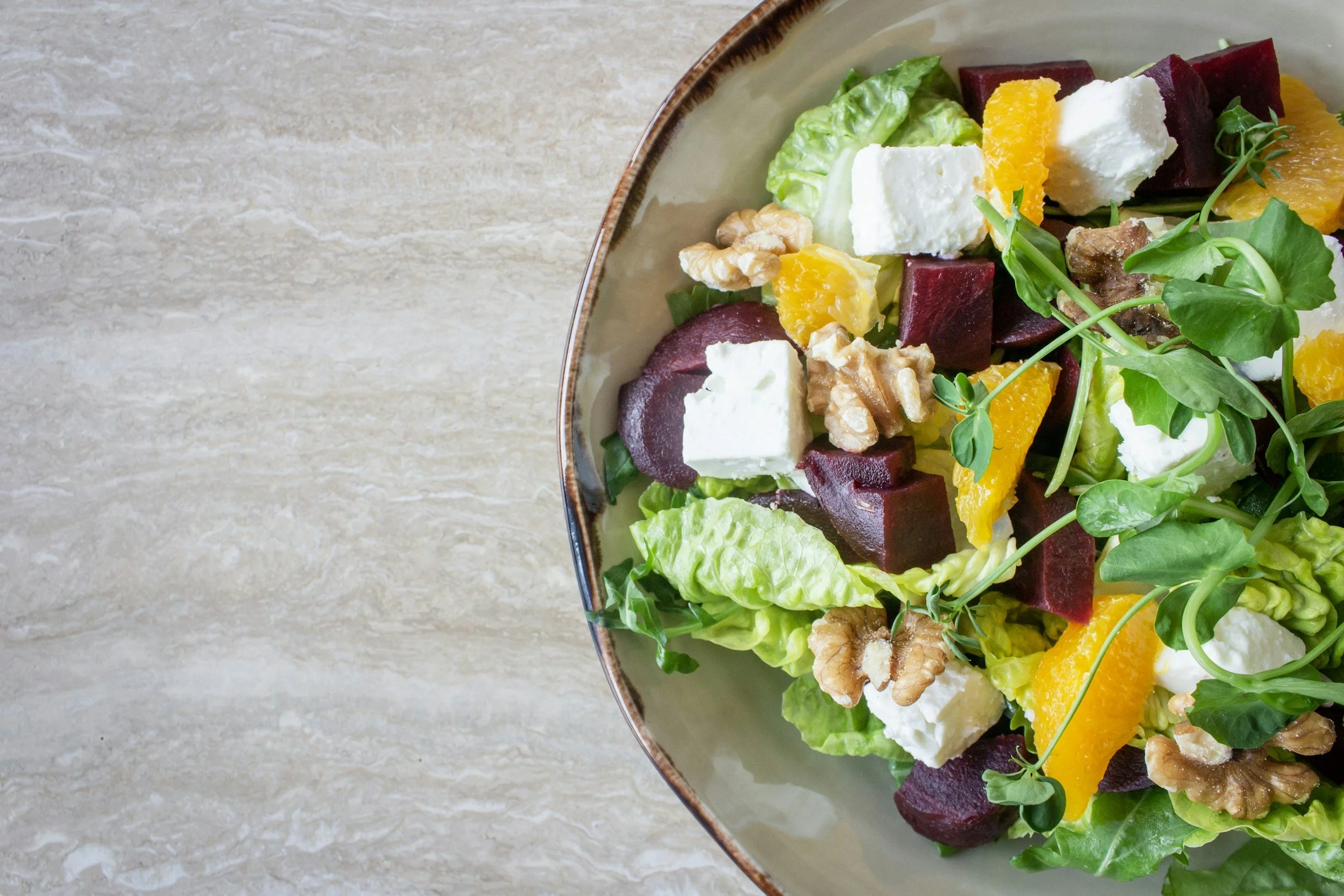
Vegetarian or vegan alternatives
Gluten-free accommodations
Nut-free considerations
Clearly communicated allergen plans with catering teams
Having designated place cards or subtle meal indicators ensures smooth service.
5. Structure the Courses Thoughtfully
A traditional sit-down dinner typically includes:
Starter: Salad or plated appetizer
Entrée: Protein, starch, vegetable
Dessert: Wedding cake, plated dessert, or both
Optional add-ons: Soup course, champagne toast, or late-night bites
Timing is everything. A plated dinner allows for coordinated speeches between courses, keeping the evening flowing without feeling rushed.
6. Service Style Matters
For large parties, professional catering teams typically recommend:
Plated and pre-set salads to save time
Efficient entrée service by section
Coordinated clearing to maintain visual elegance
Experienced planners work closely with caterers to ensure no guest waits too long between courses.
7. End on a Memorable Note
While the dinner may be traditional, that doesn’t mean it has to be predictable. Consider:
Signature cocktails named after the couple
A surprise dessert presentation
Espresso carts or after-dinner cordials
A late-night snack station to transition into dancing
The Takeaway
A traditional sit-down dinner remains one of the most sophisticated ways to host a large celebration. Thoughtful menu planning, strategic logistics, and seamless coordination create an atmosphere of elegance and intentionality.
At Stardust Celebrations, we design dining experiences that feel effortless for guests and are flawlessly executed behind the scenes, so you can focus on celebrating.
Ready to plan your next unforgettable event? Let’s begin.