The Art of Seating: How to Arrange Guests for a Seamless & Stylish Event
When planning a wedding or large-scale event, few details require as much strategy (and diplomacy!) as the seating chart. Who sits where can influence everything from guest comfort to conversation flow, and ultimately, the energy of your celebration.
At Stardust Celebrations, we believe seating isn’t just logistical; it’s an opportunity to enhance the entire guest experience. Here’s a guide to arranging guests thoughtfully and the different table options to consider.
Step One: Decide on Your Table Style
Your seating layout begins with the type of tables you choose. Each option creates a different look and atmosphere.
🟡 Round Tables (The Classic Choice)
Best for: Weddings, galas, and traditional celebrations
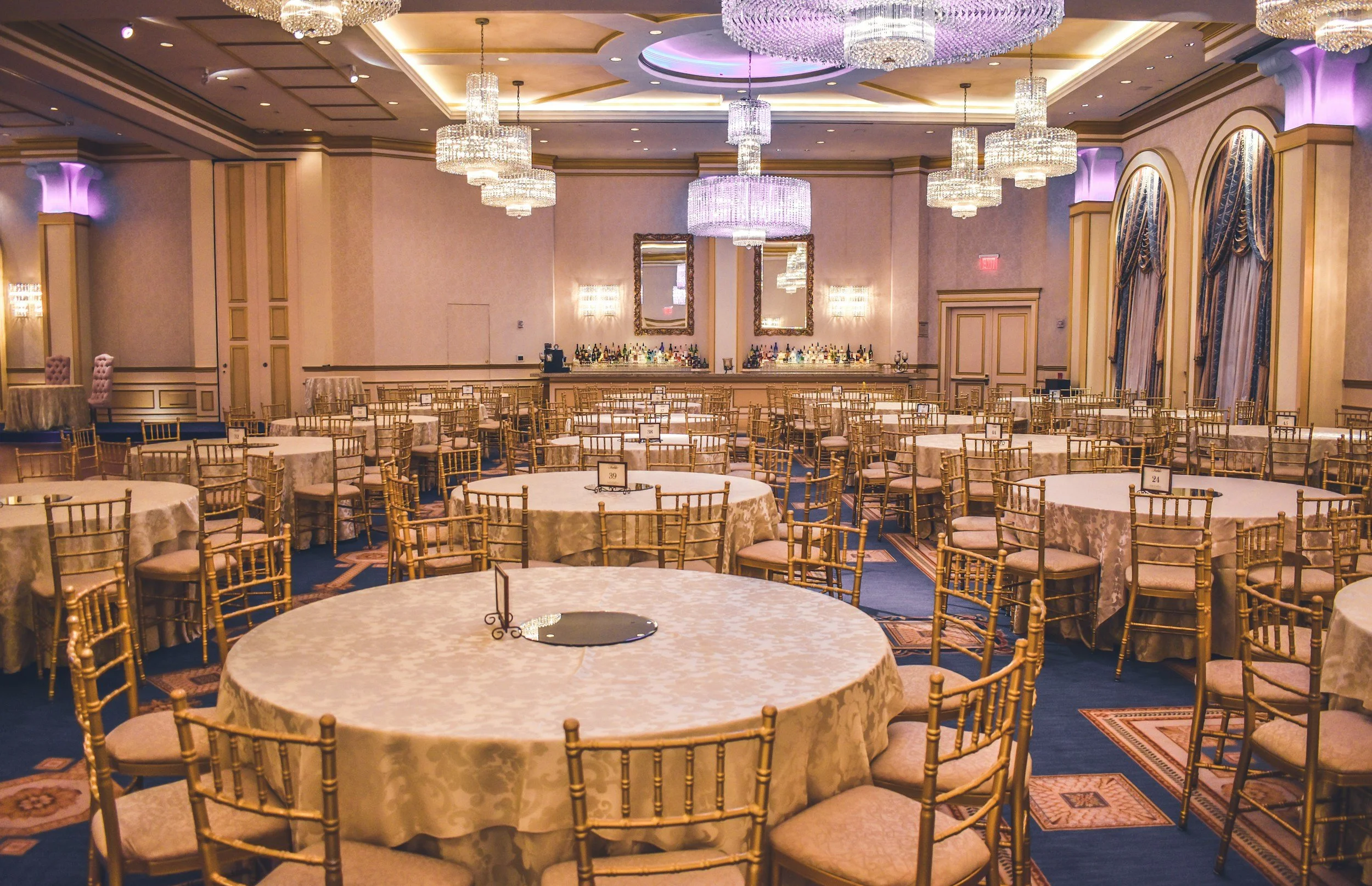
Round tables typically seat 8–10 guests and encourage conversation. They create a balanced, elegant layout and are ideal for larger guest counts.
Pros:
Easy conversation
Timeless aesthetic
Efficient for large events
⬛ Rectangular Tables (Farm or Banquet Style)
Best for: Modern, rustic, or design-forward events
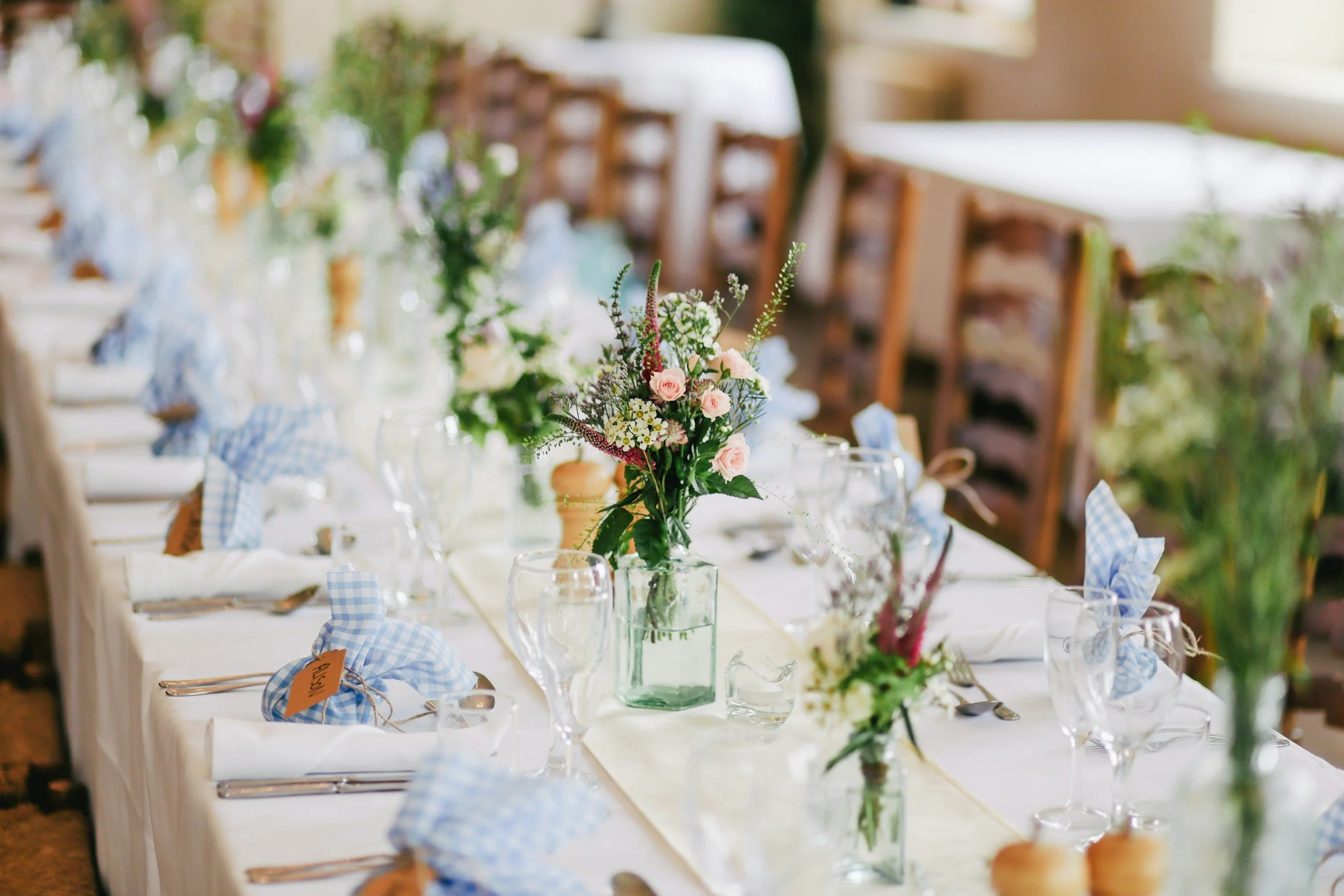
Long tables create a dramatic visual impact and work beautifully for family-style dinners or intimate receptions.
Pros:
Great for communal dining
Strong design presence
Ideal for head tables
🔲 Square Tables
Best for: Contemporary or symmetrical designs
Square tables seat 8–12 guests and create a structured, modern feel.
Pros:
Unique visual layout
Encourages smaller group conversation
🍸 Mixed Layouts
Combining rounds and rectangles adds dimension and provides flexibility within the venue. Many events use long tables for the wedding party and rounds for guests.
Step Two: Strategically Group Your Guests
Once your layout is determined, it’s time to assign seats, or at least tables.
1. Keep Conversations in Mind
Seat guests with others they know or have shared interests with. Avoid isolating anyone unless requested.
2. Balance Energy Levels
Mix outgoing personalities with quieter guests to create a natural flow without overwhelming anyone.
3. Family Considerations
Be mindful of family dynamics. Divorced parents or sensitive relationships may require thoughtful placement.
4. VIP Placement
Immediate family and close friends are typically seated closer to the head table or dance floor.
Assigned Tables vs. Assigned Seats
There are two primary approaches:
Assigned Tables:
Guests choose their seat once they arrive at their table. This offers flexibility and is common for weddings.
Assigned Seats:
Each guest has a specific seat assignment. This is often preferred for formal galas or plated dinners requiring precise meal placement.
Don’t Forget the Details
Ensure elderly guests are not too close to loudspeakers.
Seat guests with mobility concerns near exits or restrooms.
Consider sightlines to speeches and entertainment.
Leave enough space between tables for comfortable movement.
Make It Beautiful
Your seating display can double as décor. Popular options include:
Escort card walls
Acrylic or mirrored seating charts
Floral or greenery backdrops
Custom illustrations or monogram boards
A well-designed seating installation creates a stunning first impression.
The Final Takeaway
Seating charts may seem overwhelming, but with thoughtful planning and expert coordination, they become one of the most seamless parts of your event. When guests feel comfortable and connected, the celebration naturally flows.
At Stardust Celebrations, we take care of every detail, so your event feels effortless from the first toast to the last dance.